n. · a glossary entry from the working vocabulary.
Envenomation.
§ short definition
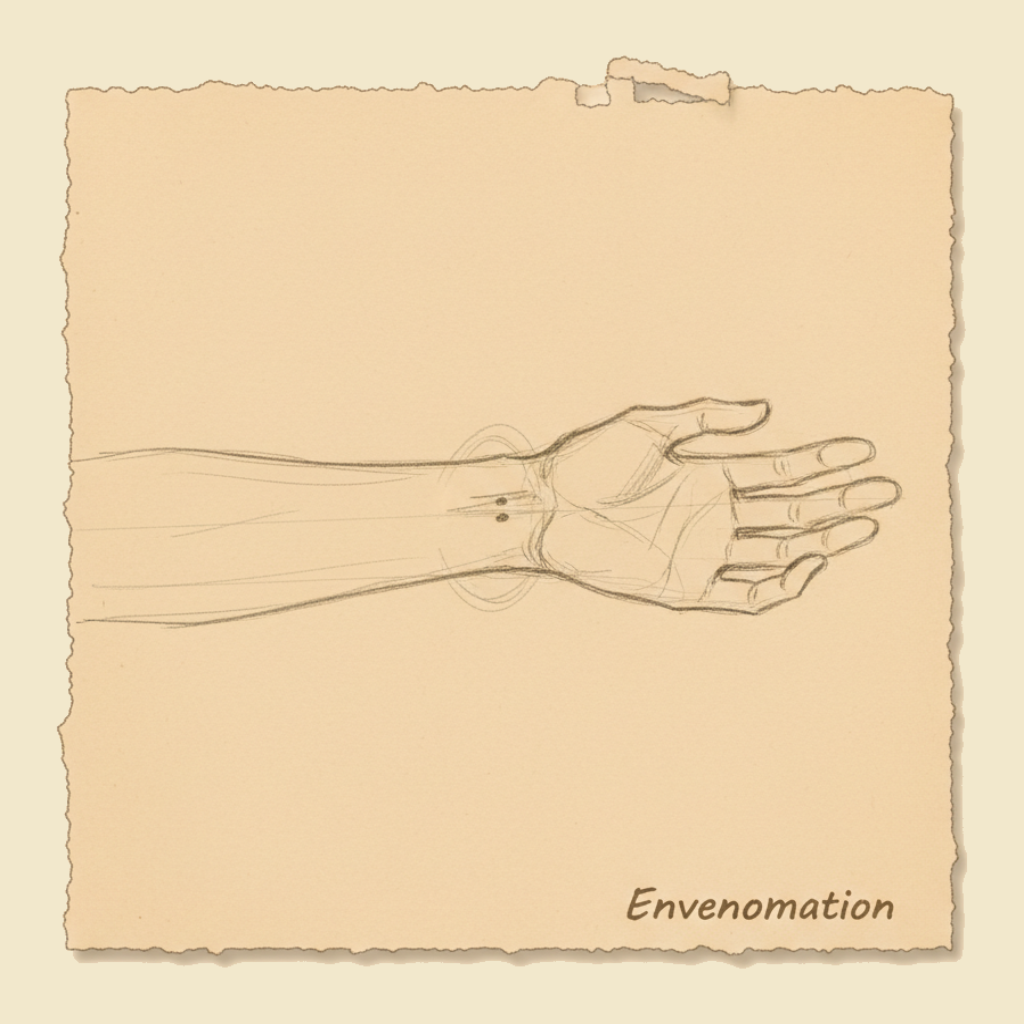
Injury caused by venom injected into the body by a snake, spider, marine creature or insect.
§ long definition
Envenomation is the medical word for being poisoned by a bite or sting from an animal that produces venom. Australia is unusually rich in venomous wildlife — snakes, funnel-web spiders, redbacks, blue-ringed octopus, box jellyfish, stonefish, ticks, bees and ants — and several of them can kill, so the first aid is taken seriously even when the casualty looks fine immediately afterwards. Many Australian envenomation deaths happen because the casualty or the first aider underestimated the bite in the first hour.
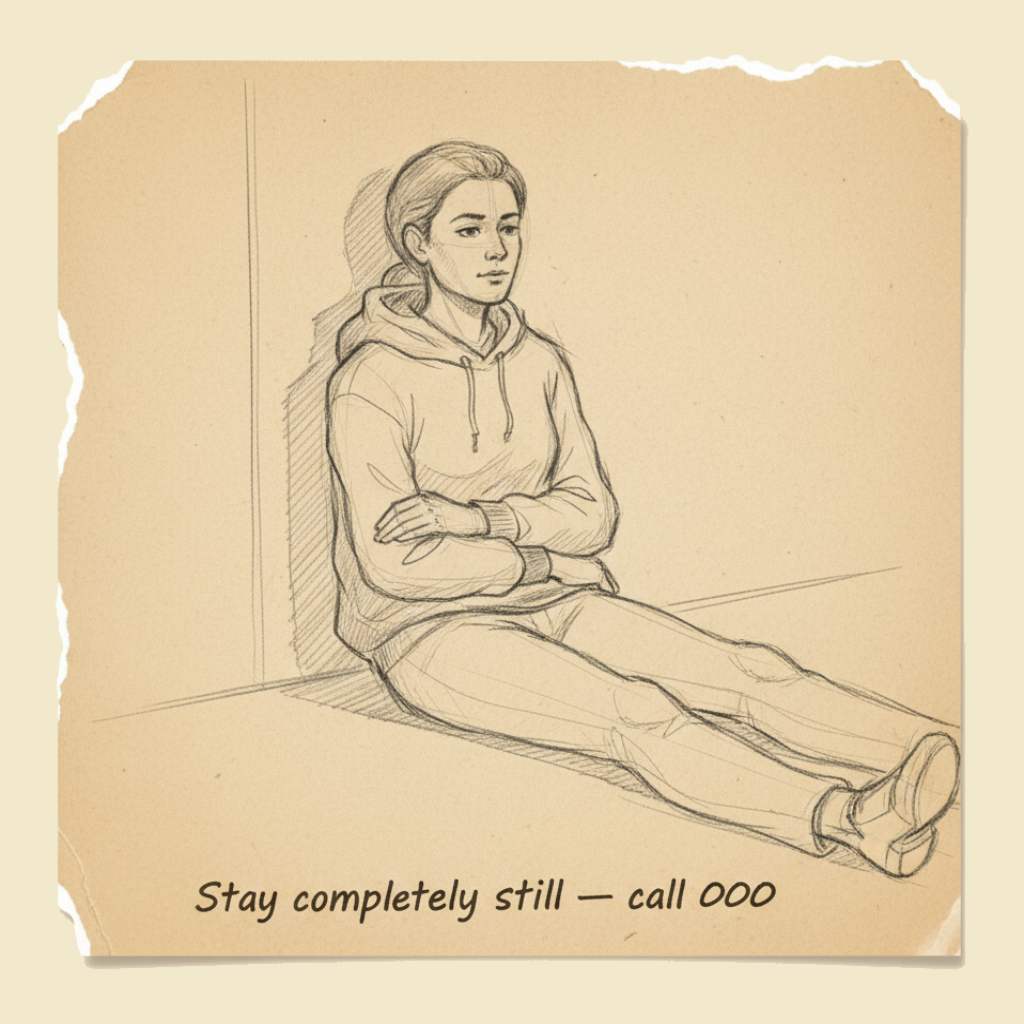
The technique-critical first aid for any snake bite or for a funnel-web spider bite is the pressure immobilisation technique (PIT): a firm broad bandage applied over the bite site and then up the entire limb at the same firm tension as a sprained ankle, with a splint added so the limb cannot move at all. The point is to slow venom moving through the lymphatic system back to the heart. The casualty must stay completely still — walking is the worst possible thing — and an ambulance must be called. Do not wash the bite, cut it, suck it, apply a tourniquet, or try to catch the snake.
Different rules apply to other creatures: a redback spider bite is painful but slow, and ice and pain relief are appropriate while you arrange medical care. Box jellyfish stings are flooded with vinegar (which neutralises undischarged stinging cells) before any attempt to remove tentacles. Bluebottle stings are rinsed with sea water and then immersed in hot water. Tick bites are killed in place with a freezing spray, not pulled out. The single most important thing the first aider can do is recognise that the ANZCOR rules are creature-specific — there is no universal treatment for "stings".
§ ANZCOR reference
9.4.8